
How Often Should You Test Your Drinking Water?
Most people assume their drinking water is safe until they notice a problem. Unfortunately, many water contaminants are invisible, odorless, and tasteless. By the time changes in color, taste, or smell become noticeable, water quality issues may have already been present for some time.
Whether your water comes from a private well, municipal source, or commercial system, routine testing is one of the most effective ways to protect your health and ensure compliance with applicable water quality standards. Working with a professional water testing laboratory can help identify potential concerns before they become serious problems.
But how often should drinking water be tested?
The answer depends on several factors, including your water source, location, property conditions, and any recent environmental events. Understanding the recommended testing schedule can help you identify potential issues before they become serious problems.
Why Regular Water Testing Matters
Water can become contaminated through a variety of sources, including agricultural runoff, aging infrastructure, industrial activities, septic systems, flooding, and naturally occurring minerals in groundwater. Many contaminants, such as bacteria, nitrates, lead, arsenic, and PFAS compounds, may not produce obvious warning signs.
The CDC’s guidance for testing well water recommends that private well owners test their water annually for key indicators such as total coliform bacteria, nitrates, total dissolved solids, and pH levels. Additional testing may be necessary depending on local conditions and potential contamination risks.
Certain water systems may also require specialized testing for bacteria such as Legionella. Understanding where Legionella can grow can help property owners and facility managers recognize water systems and environments where additional monitoring may be appropriate.
Regular testing provides valuable information about your water quality and helps ensure that any treatment systems are functioning properly.
Annual Testing: The General Recommendation
For most homes and businesses, annual water testing serves as a practical baseline.
An annual test can identify gradual changes in water quality and detect contamination before it becomes a significant health concern. At a minimum, testing should include:
- Total coliform bacteria
- E. coli, when appropriate
- Nitrates and nitrites
- pH levels
- Total dissolved solids (TDS)
Depending on your location, building type, and water source, additional analyses may be recommended. Specialized Legionella testing services may also be appropriate for facilities or water systems where Legionella growth is a concern.
Understanding the available testing options can help determine the most appropriate testing panel for your needs.
According to guidance from both the CDC and the U.S. Environmental Protection Agency, annual testing is considered a best practice for private water supplies because contaminant levels can change over time due to environmental conditions and land-use activities.
When You Should Test More Frequently
While annual testing is a good starting point, certain situations require additional testing.
After Flooding or Severe Weather
Flooding can introduce bacteria, chemicals, and other contaminants into groundwater supplies and private wells. Even if water appears normal after a flood event, contamination may still be present.
The EPA’s private well guidance provides information for well owners about protecting and testing private water supplies, including following flooding and other events that could affect water quality.
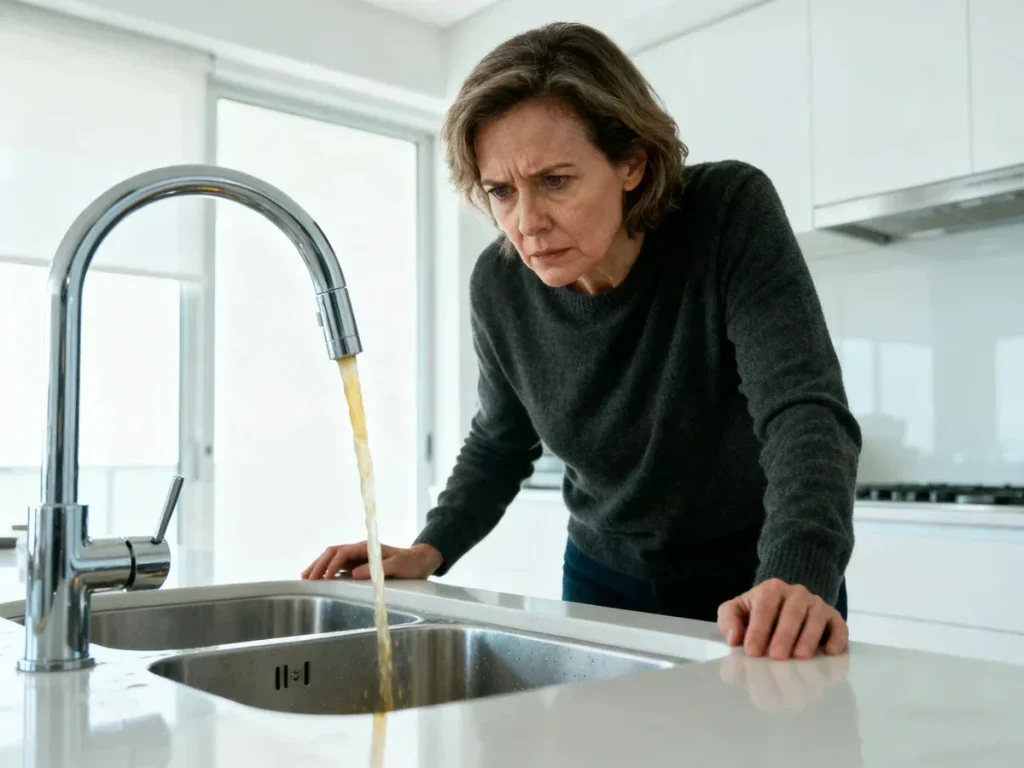
When Water Changes in Appearance or Taste
Changes in water quality often signal underlying issues. Testing should be performed promptly if you notice:
- Unusual taste or odor
- Cloudiness
- Discoloration
- Sediment
- Metallic flavors
These changes may indicate contamination, corrosion, or treatment system failures.
After Repairs or Modifications
Any repair work involving wells, plumbing systems, pumps, or water treatment equipment can affect water quality. Testing after repairs helps confirm that the system is functioning properly and that contamination was not introduced during maintenance.
Understanding the water testing process can also help property owners know what to expect when samples are collected, analyzed, and reported by a laboratory.
During Property Transactions
Homebuyers frequently request water testing as part of the due diligence process. A current laboratory analysis can provide confidence regarding water quality and identify potential concerns before a sale is finalized.
Understanding Local Risk Factors
Water quality concerns vary significantly by region.
For example, agricultural areas may face elevated nitrate levels, while industrial regions may have concerns involving volatile organic compounds (VOCs), heavy metals, or PFAS contamination. Some areas also experience naturally occurring contaminants such as arsenic, uranium, or radon.
This is why localized testing is so important. A laboratory familiar with regional water quality issues can help determine which contaminants should be included in your testing program.
Businesses, municipalities, and property owners often benefit from working with laboratories that understand local environmental conditions and regulatory requirements. Reviewing available water testing service locations can help identify testing resources appropriate for your area.
What About Municipal Water?
Many homeowners assume that municipal water does not require testing because it is already regulated.
Public water systems are required to monitor drinking water quality and provide consumer information about the quality of the water they supply. The EPA’s drinking water resources provide additional information about public drinking water regulations, groundwater, and drinking water safety.
However, contamination can still occur between the treatment facility and your faucet. Aging pipes, plumbing materials, and household fixtures may introduce contaminants such as lead or copper.
Testing at the point of use can provide a more complete picture of the water actually being consumed.
Homeowners with older plumbing systems, recent renovations, or concerns about lead exposure may choose to conduct periodic testing even when connected to a public water supply.
How Often Should Businesses Test Water?
Commercial facilities often have different testing requirements than residential properties.
Restaurants, healthcare facilities, schools, manufacturing plants, and food processing operations may be subject to industry-specific regulations or internal quality assurance programs. In many cases, testing occurs quarterly, monthly, or even daily depending on operational requirements.
Organizations should establish testing schedules based on:
- Regulatory obligations
- Industry standards
- Risk assessments
- Water source characteristics
- Operational requirements
Facilities with complex water systems may also need to consider Legionella as part of their water management strategy, depending on the building, system design, and applicable requirements.
Professional laboratories can assist with developing customized monitoring programs and interpreting results according to applicable standards. Additional educational information about water testing and water quality concerns can also be found through the water testing blog.
Choosing the Right Testing Standards
Testing frequency is only part of the equation. The quality and accuracy of testing methods are equally important.
Using certified laboratories and recognized analytical methods helps ensure reliable results that can be used for informed decision-making. Different contaminants require different analytical procedures, detection limits, and reporting standards.
Understanding applicable testing standards helps ensure that water quality assessments are both accurate and meaningful.
The CDC and EPA both recommend using appropriately certified laboratories capable of conducting drinking water analyses according to established testing protocols.
Creating a Water Testing Schedule
A proactive testing plan helps eliminate uncertainty and reduces the risk of undetected contamination.
For most property owners, the following schedule provides a practical framework:
Every Year
- Bacteria testing
- Nitrates
- pH
- Total dissolved solids
Every 3–5 Years
- Comprehensive contaminant screening
- Heavy metals
- Regional contaminant concerns
Immediately After
- Flooding
- Well repairs
- Plumbing modifications
- Significant water quality changes
Properties located near agricultural, industrial, or high-risk environmental areas may require more frequent monitoring.
Testing frequency may also vary for commercial properties and facilities with complex building water systems, so testing plans should always reflect the specific risks associated with the property.
Final Thoughts
There is no universal testing schedule that applies to every property, but annual testing remains the most widely recommended starting point. Regular monitoring helps identify contamination early, protect health, and provide confidence in the quality of the water being used and consumed.
Whether you’re maintaining a private well, evaluating municipal water quality, or managing compliance requirements for a commercial facility, professional testing provides the data needed to make informed decisions.
If you’re unsure which analyses are appropriate for your situation, reviewing the frequently asked questions about water testing can help clarify common concerns about testing procedures and requirements.
For questions specific to your property, water system, or testing needs, you can also contact the laboratory to discuss an appropriate testing program based on your water source, location, and potential risk factors.