
Home Water Testing: Everything You Need to Know
Water is the lifeblood of our homes. We drink it, cook with it, bathe in it, and rely on it to keep our households running smoothly. Yet, because it flows effortlessly from our taps looking clear and refreshing, we rarely stop to consider what might be lingering unseen beneath the surface.
The truth is, clear water isn’t automatically safe water. Odorless, tasteless, and completely invisible contaminants can compromise your water supply without triggering any obvious red flags. Whether your water comes from a municipal treatment plant or a private well, understanding how to test your home’s water is one of the most proactive steps you can take to protect your family’s health and preserve your plumbing infrastructure.
Why You Should Test Your Home’s Water
It is easy to assume that if your water looks clean and doesn’t smell strange, it is perfectly fine. However, many of the most hazardous drinking water contaminants are entirely undetectable by human senses.
The Hidden Risks of Municipal Water
If your home is connected to a city or municipal water supply, your water is treated and monitored to meet strict regulatory metrics. However, public systems are not infallible. The U.S. Environmental Protection Agency (EPA) regulates public water systems, but contaminants can still introduce themselves after the water leaves the treatment plant.
Aging infrastructure, water main breaks, and corrosive distribution pipes can introduce lead, copper, and sediment into your stream. If your home was built before 1986, it may still feature lead pipes or brass fixtures that leach heavy metals directly into your drinking water.
The Autonomy (and Vulnerability) of Private Wells
If you rely on a private well, you are entirely responsible for your own water safety. Unlike municipal systems, private wells are completely unregulated by federal or state authorities.
Groundwater can easily be compromised by localized environmental factors, including:
- Agricultural runoff containing nitrates and pesticides
- Heavy metal leaching from nearby industrial sites
- Bacterial infiltration from failing septic systems
- Naturally occurring geological hazards like radon or arsenic
To keep a private well safe, annual screening is highly recommended to catch shifting chemical profiles before they impact your health.
Common Water Contaminants and Their Impacts
When exploring water quality, threats generally fall into three primary categories: biological, chemical, and physical. Identifying what is in your water dictates exactly how you should address it.
If you are curious about the specific chemical structures and microbiological markers that professional labs screen for, exploring a comprehensive breakdown of contaminants analyzed can help clarify what might be hiding in your pipes.
1. Biological Contaminants
Microorganisms like bacteria, viruses, and parasites can cause immediate, acute illnesses.
- Coliform Bacteria: While most coliform bacteria aren’t harmful themselves, their presence indicates that surface water or sewage has found a pathway into your supply.
- E. coli: A specific strain of fecal coliform that causes severe gastrointestinal distress, cramps, and dehydration.
2. Heavy Metals
Heavy metals accumulate in the human body over time, leading to long-term chronic health complications.
- Lead: Highly toxic, especially to infants and young children, where it can cause irreversible developmental delays, behavioral issues, and neurological damage.
- Copper: Leached from corroding household pipes, elevated copper levels leave blue-green stains on fixtures and cause gastrointestinal issues.
- Arsenic: A naturally occurring element in bedrock that can seep into groundwater. Long-term exposure is linked to skin lesions and an increased risk of various cancers.
3. Chemical Runoff and Minerals
- Nitrates and Nitrites: Commonly sourced from fertilizers and septic waste, high nitrate levels are particularly dangerous for infants, as they interfere with the blood’s ability to carry oxygen (a condition known as blue baby syndrome).
- Hardness Minerals (Calcium and Magnesium): While not a health hazard, “hard water” causes scale buildup in appliances, ruins water heaters, reduces soap efficiency, and dries out skin and hair.
Types of Home Water Testing Methods
When you decide to test your water, you will generally choose between DIY at-home kits or professional laboratory analysis. Both serve distinct purposes depending on your budget, goals, and specific vulnerabilities.
+----------------------------------------------------------------------------+
|                        Water Testing Method Comparison                     |
+----------------------------------------------------------------------------+
|   Method    |    Best For               | Pros               | Cons        |
+-------------+---------------------------+--------------------+-------------+
| DIY Test    | Quick, routine screening  | Low cost, instant  | Low accuracy|
| Strips      | of basic parameters       | results            | narrow range|
+-------------+---------------------------+--------------------+-------------+
| Professional| Definitive health safety, | Certified accuracy,| Higher cost,|
| Lab Testing | well certifications,      | detects low levels | requires    |
|             | complex contaminants      | of toxins          | shipping    |
+-------------+---------------------------+--------------------+-------------+
DIY At-Home Test Kits
Available at most home improvement stores, DIY kits typically use test strips or color-changing liquid droplets. You dip a paper strip into a water sample and match the resulting color to a provided chart.
- The Good: They are inexpensive, accessible, and provide results within minutes. They are great for checking basic attributes like pH, total hardness, or chlorine levels.
- The Bad: They are prone to user error and lack precision. A strip cannot tell you if you have a dangerous, trace amount of lead; it can only give you a broad, highly generalized range.
Professional Laboratory Testing
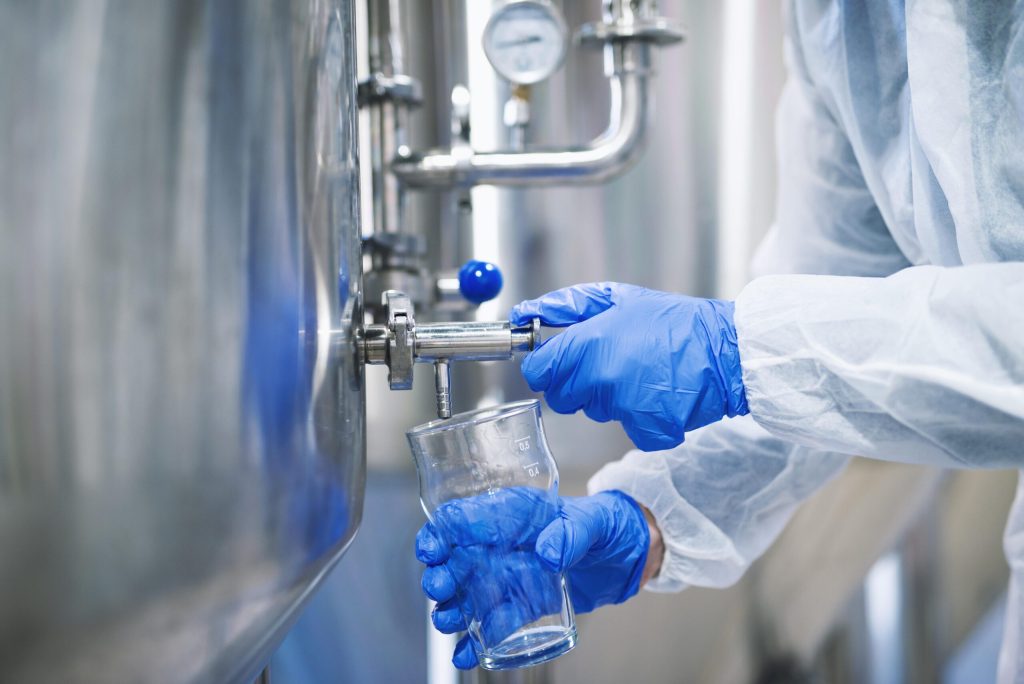
For a definitive look at your water safety, certified laboratory testing is the gold standard. You collect samples in specialized, sterile containers provided by the facility and ship or drop them off for analysis.
Labs utilize advanced instrumentation like mass spectrometry to detect contaminants down to parts per billion (ppb). This level of precision is vital for identifying heavy metals, volatile organic compounds (VOCs), and complex chemical complexes. To see how these scientific protocols are structured, you can review the official testing standards used to ensure analytical accuracy.
Step-by-Step Guide: How to Properly Sample Your Water
If you choose a professional laboratory analysis, the accuracy of your report depends heavily on how you collect the sample. Contaminating the bottle with your fingers or sampling from the wrong tap can completely skew the data.
1.Select the right faucet:Kitchen tap preferred.
Use the faucet you primarily rely on for drinking and cooking water. Avoid using swivel faucets, pull-out spray heads, or taps attached to water softeners or filters, as these can alter the baseline sample.
2.Determine ‘First Draw’ vs. ‘Flushed’ samples:Timing matters.
If testing for metals like lead or copper, you need a first draw sample. Collect the water first thing in the morning after it has sat stagnant in the pipes for at least 6 to 8 hours. If testing for bacteria or general chemistry, let the cold water run for 2 to 3 minutes first to clear the local plumbing.
3.Prepare the sample bottles:Maintain sterility.
Wash your hands thoroughly. Open the sterile sample container provided by the lab carefully. Do not touch the inside of the cap or the rim of the bottle, as bacteria from your skin can easily contaminate the sample.
4.Fill and seal the container:Avoid splashing.
Turn the cold water tap down to a gentle, steady stream. Fill the bottle to the designated fill line without letting it overflow, as some bottles contain a powdered preservative. Cap it tightly immediately.
5.Label and ship immediately:Time-sensitive data.
Write your name, location, date, and the exact time of collection on the bottle label. Many biological tests require the sample to be processed within 24 to 48 hours, so ship it via overnight courier or deliver it directly to the lab as soon as possible.
When Should You Test Your Water?
Water testing shouldn’t be a one-time event. Changes in local geology, industrial developments, and seasonal weather patterns can rapidly alter your home’s water matrix.
You should consider testing your water if you experience any of the following triggers:
- Annually (For Well Owners): Private wells should be evaluated every year for total coliform bacteria, nitrates, total dissolved solids (TDS), and pH levels.
- Noticeable Aesthetic Changes: If your water suddenly develops a metallic taste, a sulfur-like “rotten egg” smell, a cloudy appearance, or leaves rust-colored stains on your laundry and sinks, it’s time to investigate.
- New Family Dynamics: If you are expecting a baby or moving a vulnerable family member into your home, a comprehensive water profile ensures the environment is safe for developing immune systems.
- Local Disruptions: Major flooding, intense agricultural activity, nearby construction, or industrial chemical spills can breach local aquifers, requiring an immediate diagnostic check.
If you suspect localized issues or require certified testing for a real estate transaction, finding certified locations near you is the fastest way to get direct assistance tailored to your regional groundwater traits.
Understanding Your Results and Taking Action
Receiving a laboratory report can feel a bit like reading a foreign language. You will see a long list of parameters measured in milligrams per liter (mg/L) or parts per million (ppm), alongside terms like Maximum Contaminant Level (MCL).
The MCL is the highest level of a contaminant that the EPA allows in public drinking water without causing adverse health effects. If any value on your report exceeds the MCL, you must implement a mitigation strategy.
Note: If your water tests positive for coliform bacteria or E. coli, do not drink it. Boil your water vigorously for at least one full minute before cooking or drinking while you work to sanitize the system.
Choosing the Right Treatment Solution
There is no single water filter that eliminates every single contaminant. Your treatment system must be tailored precisely to the vulnerabilities highlighted in your test results.
- Activated Carbon Filters: Ideal for improving taste and odor, and removing chlorine, sediment, and select volatile organic compounds (VOCs).
- Reverse Osmosis (RO) Systems: Highly effective multi-stage systems that force water through a semi-permeable membrane, stripping away heavy metals like lead and arsenic, as well as fluorides and nitrates.
- UV Microbiological Purifiers: Uses ultraviolet light to scramble the DNA of bacteria and viruses, rendering them harmless without adding chemicals to your water supply.
- Water Softeners: Ion-exchange systems designed specifically to swap out calcium and magnesium ions for sodium ions, completely eliminating hard water scale.
Protecting Your Home’s Future
Investing time into home water testing provides undeniable peace of mind. It removes the guesswork from your daily routine, allowing you to drink, cook, and bathe with complete confidence.
If you are ready to move forward or have lingering questions about the collection process, reviewing a direct faq section can clarify the finer details of household diagnostics. Should you want to explore professional testing pathways further, reviewing an extensive directory of laboratory services will give you a clear roadmap of the options available for your specific regional needs.
Don’t wait for a strange smell or an unexpected health issue to make you look closer at your tap. By taking a proactive approach today, you secure a cleaner, healthier environment for your household for years to come.