
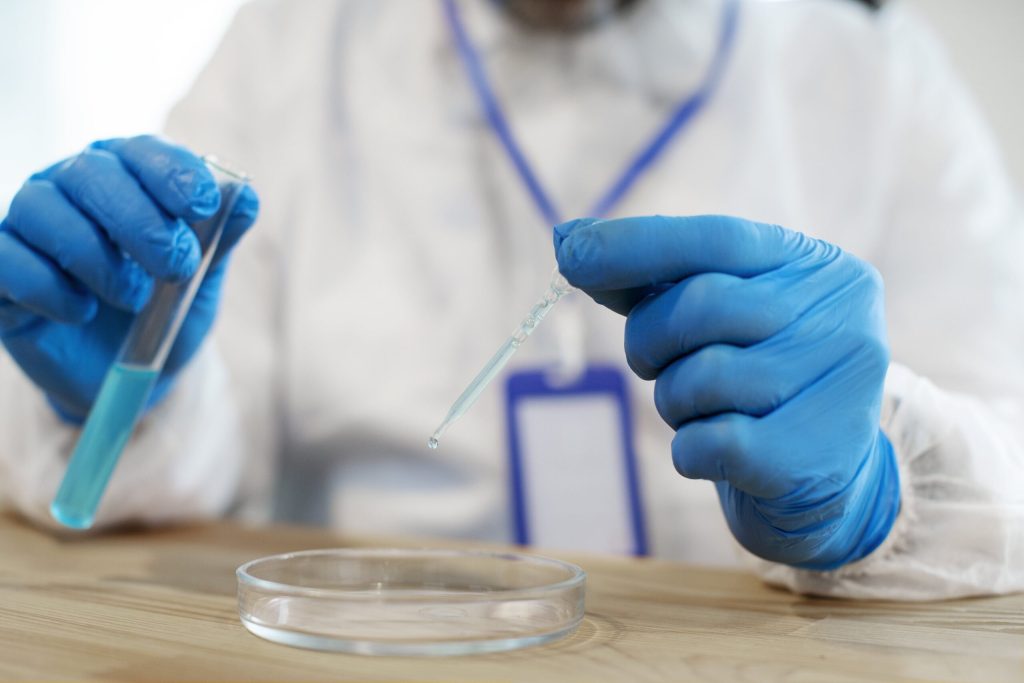
Best Laboratory for Water Testing Services Explained
Choosing the best laboratory for water testing is one of the most important steps in obtaining reliable information about drinking water, building water systems, industrial operations, and environmental conditions. Because water quality can affect health, infrastructure, equipment, and regulatory compliance, the usefulness of test results depends heavily on the quality of the laboratory performing the analysis.
The “best” water testing laboratory is not defined by one factor alone. Instead, important considerations include laboratory credentials, testing capabilities, analytical methods, technical expertise, sample handling procedures, reporting quality, and experience with the type of water system being evaluated.
Working with a professional water testing laboratory can help property owners, businesses, and facility managers determine which analyses are appropriate for their water source and potential risks.
This article explains what makes a water testing laboratory reliable, what services to expect, and how to identify a laboratory capable of producing accurate and meaningful results.
Why Choosing the Right Laboratory Matters
Water testing is more than a routine procedure. Laboratory results can influence decisions involving drinking-water safety, water-system management, treatment, maintenance, environmental monitoring, and regulatory compliance.
Poor-quality or inaccurate testing can contribute to:
- Undetected chemical contamination
- Missed microbiological concerns
- Incorrect treatment decisions
- Regulatory compliance problems
- Unnecessary treatment expenses
- Failure to identify changing water conditions
Accurate laboratory analysis provides measurable information that can be used to understand the condition of a water system and determine whether additional investigation or corrective action may be necessary.
The World Health Organization’s drinking-water guidance emphasizes the importance of safe drinking water and effective water-quality management for protecting public health.
Key Features of a Reliable Water Testing Laboratory
Several factors should be considered when evaluating a laboratory.
1. Accreditation and Certification
One of the most important considerations is whether the laboratory holds appropriate accreditation or certification for the analyses being performed.
ISO/IEC 17025 is an internationally recognized standard used by testing and calibration laboratories to demonstrate technical competence and their ability to produce valid results.
Laboratory quality systems may address areas such as:
- Testing procedures
- Equipment calibration
- Staff competency
- Sample handling
- Documentation
- Quality-control procedures
- Reporting practices
For drinking-water compliance testing in the United States, laboratory certification can also be particularly important. The EPA’s drinking-water laboratory certification program explains how laboratories analyzing drinking-water samples for regulatory compliance are certified and use approved analytical methods.
When selecting a laboratory, customers should determine whether its credentials are appropriate for the specific testing they require.
2. Comprehensive Testing Capabilities
A professional laboratory may provide multiple categories of water analysis.
Physical Testing
Physical characteristics may include:
- Turbidity
- Color
- Temperature
- Suspended solids
- Other observable water characteristics
These parameters can provide useful information about sediment, suspended material, treatment performance, and overall water conditions.
Chemical Testing
Chemical analysis may evaluate parameters such as:
- pH
- Total dissolved solids
- Hardness
- Nitrates
- Chlorides
- Sulfates
- Metals
- Organic compounds
- Other source-specific contaminants
Chemical testing is particularly important because many dissolved substances cannot be detected visually.
Microbiological Testing
Microbiological analysis may include:
- Total coliform bacteria
- E. coli
- Heterotrophic bacteria
- Legionella
- Other microorganisms relevant to the water source or facility
Facilities with complex plumbing systems, cooling towers, storage tanks, or other potential risk conditions may require specialized Legionella testing services as part of their broader water management strategy.
A laboratory should be able to explain which analyses are appropriate rather than automatically recommending every available test.
3. Ability to Detect Low Concentrations
Some contaminants can be significant even when present at relatively low concentrations.
Depending on the analysis, laboratories may need to measure substances at very small concentration levels.
This can be particularly important for:
- Lead
- Arsenic
- Other metals
- Certain organic chemicals
- Industrial contaminants
- Other regulated or emerging substances
The required detection limit depends on the contaminant, applicable standard, and purpose of testing.
A suitable laboratory should use analytical methods capable of measuring concentrations at levels relevant to the intended evaluation.
4. Experience With Different Water Types
Water testing requirements vary considerably depending on where the sample comes from and how the water is used.
A laboratory may analyze:
- Drinking water
- Private well water
- Groundwater
- Surface water
- Commercial building water
- Cooling water
- Industrial process water
- Environmental samples
Each type of water system can require a different combination of parameters.
For example, private well testing may focus on bacteria, nitrates, pH, and source-specific contaminants, while a commercial building may have additional concerns involving plumbing conditions and microbiological risks.
Understanding where Legionella can grow within water systems can also help facility managers determine whether specialized testing should be considered.
5. Appropriate Testing Methods
Reliable laboratories use analytical procedures appropriate for the substances being measured.
Standardized or validated methods are important because they help produce results that are:
- Consistent
- Reproducible
- Comparable
- Appropriate for the intended application
- Suitable for applicable regulatory requirements
Water analysis can involve different laboratory techniques depending on the contaminant.
These may include:
- Spectrophotometric methods
- Chromatographic methods
- Mass spectrometry
- Atomic absorption techniques
- Microbiological culture methods
- Other validated analytical procedures
The most advanced instrument is not automatically the best choice for every analysis. The important factor is whether the laboratory uses a suitable method with appropriate quality-control procedures.
6. Proper Sample Collection and Handling
Accurate laboratory results begin before the sample reaches the laboratory.
Water samples may require:
- Specific containers
- Proper collection procedures
- Temperature control
- Preservation
- Defined holding times
- Appropriate transportation
Improper collection or storage can affect test results, particularly for microbiological and certain chemical analyses.
Reviewing the water testing process before collecting samples can help property owners and facility managers understand how testing progresses from sampling through laboratory analysis and reporting.
A reliable laboratory should provide clear instructions for collecting and submitting samples.
7. Clear and Reliable Reporting
Laboratory analysis is only useful when results are clearly communicated.
A professional water testing report should identify important information such as:
- Parameters analyzed
- Reported concentrations or findings
- Units of measurement
- Analytical methods when applicable
- Relevant detection limits
- Sample information
- Laboratory observations when appropriate
Turnaround time may also matter, particularly when water-quality concerns affect business operations, building management, or treatment decisions.
However, speed should not come at the expense of appropriate analytical procedures.
Range of Contaminants Analyzed
A capable laboratory may be able to evaluate several categories of contaminants depending on the water source and testing objectives.
Potential analyses include:
Microbiological Parameters
- Total coliform
- E. coli
- Legionella
- Other microorganisms
Metals
- Lead
- Arsenic
- Copper
- Chromium
- Other metals
Inorganic Parameters
- Nitrates
- Nitrites
- Chlorides
- Sulfates
- Hardness
- Total dissolved solids
Organic Compounds
Depending on the source and potential contamination risks, testing may also include organic chemicals or other specialized parameters.
The correct testing panel should reflect the actual risks associated with the water system rather than simply including the largest possible number of analyses.
Types of Laboratories for Water Testing
Different types of laboratories may be appropriate for different testing needs.
Government and Public Laboratories
State, local, or public health laboratories may provide certain drinking-water or environmental analyses.
These laboratories can be particularly useful for testing connected with public health programs or regional water-quality concerns.
The EPA maintains information for finding certification programs and certified drinking-water laboratories in the United States.
Private Laboratories
Private laboratories may provide:
- Residential water testing
- Commercial water-system testing
- Specialized microbiological analysis
- Customized testing panels
- Environmental analysis
- Industrial water testing
When considering a private laboratory, customers should evaluate its credentials, analytical capabilities, and experience with the particular type of water being tested.
Specialized Water Laboratories
Some laboratories focus on specific areas such as:
- Building water systems
- Legionella analysis
- Industrial water
- Environmental monitoring
- Food and beverage facilities
- Healthcare facilities
- Cooling systems
A specialized laboratory may be particularly valuable when testing involves complex water systems or specific microbiological concerns.
Role of Technology in Modern Water Testing
Modern water laboratories may use sophisticated analytical equipment to identify and quantify contaminants.
Depending on the analysis, laboratory technologies can include:
- Inductively Coupled Plasma Mass Spectrometry (ICP-MS)
- Atomic Absorption Spectroscopy (AAS)
- Gas Chromatography-Mass Spectrometry (GC-MS)
- UV-Visible spectrophotometry
- Microbiological culture techniques
- Other specialized laboratory methods
Different technologies serve different purposes.
For example, metal analysis requires different techniques than microbiological testing. Laboratory quality therefore depends not simply on owning advanced equipment but on selecting, maintaining, calibrating, and properly operating equipment appropriate for each analysis.
Importance of Microbiological Testing
Microbiological analysis is an essential component of many water-testing programs.
Depending on the source or water system, testing may investigate organisms or indicators such as:
- Total coliform bacteria
- E. coli
- Legionella
- Other bacteria appropriate to the system
Microbiological contamination can sometimes occur even when water looks clear and has acceptable physical or chemical characteristics.
Legionella Testing
Legionella deserves particular consideration in certain building water systems because conditions within plumbing, storage, cooling, or other water-containing equipment can sometimes support bacterial growth.
Facilities with relevant risk factors may incorporate laboratory testing into a broader monitoring or water management program.
The appropriate sampling locations, testing schedule, and interpretation depend on the type and configuration of the water system.
How to Identify a Reliable Laboratory Near You
When comparing water testing laboratories, consider questions such as:
- Is the laboratory appropriately accredited or certified?
- Does it test the parameters relevant to your water system?
- Does it provide microbiological testing where required?
- Are appropriate analytical methods used?
- Does the laboratory provide clear sampling instructions?
- Are reports understandable and sufficiently detailed?
- Can the laboratory explain which analyses may be appropriate?
- Does it have experience with your type of property or facility?
Location can also influence testing because regional geology, infrastructure, agricultural activities, and industrial conditions may create different water-quality concerns.
Reviewing available water testing service locations can help identify laboratory resources relevant to a particular area.
Choosing Testing Based on Your Water Source
The best testing program should reflect the source of the water.
Private Wells
Private wells may require testing for:
- Bacteria
- Nitrates
- pH
- Total dissolved solids
- Metals
- Local or regional contaminants
Testing requirements can change following flooding, nearby construction, changes in land use, or modifications to the well.
Municipal Water
Municipal water is monitored by public water systems, but conditions within individual properties can still affect water quality.
Plumbing materials, storage systems, fixtures, and building water systems may influence water after it enters a property.
Commercial Properties
Commercial and institutional buildings may have more complicated plumbing networks than individual homes.
Potential considerations include:
- Storage tanks
- Hot-water systems
- Cooling systems
- Low-use outlets
- Complex plumbing networks
- Microbiological conditions
Facilities should select analyses based on their actual water-system configuration and potential risks.
Industrial Facilities
Industrial operations may require testing for:
- Process-water quality
- Hardness
- Conductivity
- Metals
- Organic contaminants
- Microbiological conditions
- Wastewater parameters
Testing frequency and required parameters can vary considerably according to the operation.
Professional Laboratory Services and Water Management
Professional laboratories do more than produce numbers on a report.
Laboratory results can support:
- Drinking-water assessment
- Building water management
- Treatment decisions
- Industrial quality control
- Environmental monitoring
- Regulatory programs
- Investigation of suspected contamination
- Long-term monitoring
Regular testing can also establish baseline conditions, making it easier to identify meaningful changes later.
Businesses and property owners who want to understand common testing issues can explore additional water testing articles and resources covering water-system risks, testing procedures, and microbiological concerns.
Questions to Ask Before Selecting a Laboratory
Before submitting samples, consider asking:
- Which tests are appropriate for my water source?
- Does the laboratory hold relevant certifications or accreditation?
- How should samples be collected?
- Are special bottles or preservatives required?
- How quickly must samples reach the laboratory?
- What information will appear in the final report?
- What happens if an unusual result is identified?
- Is additional testing sometimes recommended?
For general information about testing procedures and common water-quality questions, the water testing FAQ can provide additional guidance before arranging laboratory analysis.
Final Thoughts
The best water testing laboratory is not necessarily the closest or least expensive option. A reliable laboratory should provide appropriate analytical capabilities, qualified personnel, suitable testing methods, proper quality-control procedures, clear sampling instructions, and understandable reporting.
Accreditation or certification can also be important, particularly when results are required for drinking-water compliance, commercial applications, or other regulated purposes.
The laboratory should ultimately be selected based on the type of water being analyzed and the decisions that will be made using the results.
For properties and facilities with microbiological concerns, experience with complex water systems and specialized Legionella analysis can be particularly valuable.
Choosing an appropriate laboratory helps ensure that water-quality decisions are based on meaningful and reliable data rather than assumptions.
If you need assistance determining which analyses are appropriate for your property, building, or water system, you can contact a professional water testing laboratory to discuss your water source, facility conditions, potential risks, and testing requirements.