
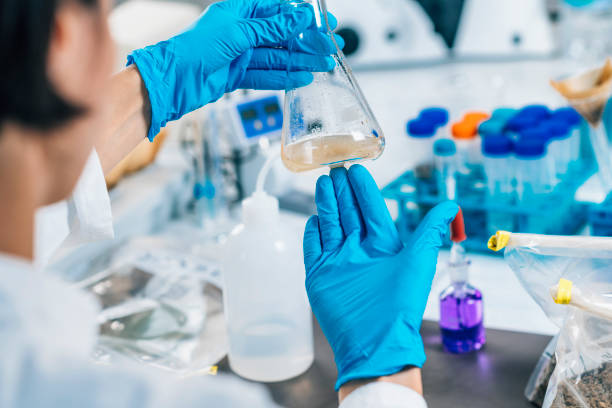
Water Testing Services for Safe Drinking Water
Safe drinking water is one of the most important public health needs. Population growth, industrial activity, agricultural runoff, aging pipelines, and inadequate sanitation systems can all affect water quality.
Water may appear clean while still containing bacteria, chemicals, metals, or other contaminants that cannot be seen, smelled, or tasted.
Professional water testing laboratory services help identify potential risks and provide measurable information about the condition of a water supply. Regular testing can be important for households, businesses, schools, healthcare facilities, commercial properties, industrial sites, and other organizations that depend on safe and reliable water.
This guide explains why drinking water testing is important, which contaminants are commonly evaluated, how laboratory testing works, and how to choose a reliable testing service.
Why Drinking Water Testing Is Important
Drinking water can come from several different sources, including:
- Groundwater from wells and boreholes
- Municipal water supply systems
- Rivers and other surface-water sources
- Tanker water supplies
- Rainwater collection systems
- Stored water tanks
Each source can be affected by contamination caused by infrastructure problems, environmental conditions, or human activities.
Common causes of water contamination include:
- Leakage from old or damaged pipelines
- Industrial wastewater discharge
- Agricultural runoff containing fertilizers or pesticides
- Poor sanitation infrastructure
- Sewage leakage
- Improper water storage
- Naturally occurring minerals in groundwater
Because many contaminants cannot be detected through appearance alone, laboratory testing is an important way to evaluate drinking-water quality.
The World Health Organization’s drinking-water guidance provides information about microbial, chemical, and other risks associated with unsafe drinking water.
Common Water Quality Problems
1. Microbiological Contamination
Microbiological contamination is one of the most important drinking-water concerns.
Laboratory testing may evaluate:
- Total coliform bacteria
- E. coli
- Other indicator organisms
- Water-system-specific microorganisms
These contaminants may enter water through sewage leakage, damaged pipelines, contaminated storage tanks, surface runoff, or inadequate sanitation.
The CDC’s drinking-water resources provide information about waterborne germs, private wells, contamination risks, and drinking-water safety.
For larger buildings and complex plumbing systems, microbiological monitoring may also include Legionella. Understanding where Legionella can grow can help property owners and facility managers recognize water-system conditions that may require additional attention.
2. High Total Dissolved Solids
Total dissolved solids, commonly known as TDS, represent the combined concentration of dissolved minerals, salts, metals, and other substances in water.
Higher TDS levels may be associated with:
- Natural mineral deposits
- Agricultural runoff
- Industrial activity
- Wastewater contamination
- Seawater intrusion
- Changes in treatment or source water
Elevated TDS can:
- Affect taste
- Contribute to scaling
- Influence treatment processes
- Indicate changes in overall water chemistry
TDS alone does not identify a particular contaminant, so unusual results may require more specific laboratory analysis.
3. Heavy Metal Contamination
Metals may enter water through industrial activities, plumbing materials, corrosion, mining, or natural geological conditions.
Common metals analyzed in water include:
- Lead
- Arsenic
- Mercury
- Cadmium
- Chromium
- Copper
- Nickel
Because these substances can be present without causing obvious changes in water appearance, laboratory testing is necessary to determine their concentrations.
The EPA’s drinking-water regulations and contaminant information provides information about contaminants regulated in U.S. public drinking-water systems.
4. Hard Water
Hard water contains higher concentrations of minerals, primarily calcium and magnesium.
It can contribute to:
- Scaling inside pipes and appliances
- Reduced soap and detergent effectiveness
- Deposits on fixtures
- Increased plumbing maintenance
- Reduced efficiency of some water-heating equipment
Hardness testing helps determine the mineral characteristics of a water supply and whether treatment may be useful for a particular application.
5. Chemical Contamination
Chemical contaminants may enter water through agriculture, industrial operations, wastewater, household activities, or natural environmental sources.
Potential parameters include:
- Nitrates
- Nitrites
- Sulfates
- Chlorides
- Fluoride
- Pesticide residues
- Volatile organic compounds
- Petroleum-related compounds
- Other source-specific chemicals
The appropriate testing panel should reflect the water source, local environmental conditions, and any known contamination risks.
What Water Testing Services Include
Professional water analysis generally includes three major categories: physical, chemical, and microbiological testing.
Physical Testing
Physical testing evaluates measurable characteristics of water such as:
- Turbidity
- Color
- Odor
- Temperature
- Sediment
- Suspended particles
Changes in these characteristics may indicate a water-quality issue, although water can still contain contaminants even when no visible changes are present.
Chemical Testing
Chemical testing evaluates dissolved substances and chemical characteristics.
Common parameters include:
- pH
- Total dissolved solids
- Electrical conductivity
- Hardness
- Alkalinity
- Chlorides
- Nitrates
- Sulfates
- Metals
- Organic compounds
Chemical testing provides information that can help evaluate drinking-water quality, plumbing conditions, and treatment requirements.
Microbiological Testing
Microbiological testing evaluates microorganisms or indicators of contamination.
Testing may include:
- Total coliform bacteria
- E. coli
- Heterotrophic bacteria
- Legionella
- Other microorganisms relevant to the water system
Properties or facilities with complex building water systems may require specialized Legionella testing services when Legionella is a potential concern.
How Water Testing Works
Professional water testing involves several carefully controlled stages.
Understanding the water testing process before collecting samples can help ensure that the correct containers, sampling locations, handling procedures, and laboratory analyses are used.
Sample Collection
Water samples must be collected in containers appropriate for the required analysis.
Depending on the test, sampling requirements may include:
- Sterile containers
- Specific sampling locations
- Sample preservation
- Temperature control
- Defined holding times
Improper collection can affect results, particularly for microbiological testing.
Sample Transportation
Some samples must reach the laboratory within a specified period and under controlled conditions.
Careful transportation helps preserve the condition of the sample until analysis begins.
Laboratory Analysis
Samples may be analyzed using techniques and instruments such as:
- Spectrophotometry
- ICP-MS
- Atomic absorption spectroscopy
- Chromatography
- Microbiological culture methods
- pH meters
- Conductivity meters
- Turbidity meters
The analytical method depends on the parameter or contaminant being investigated.
Result Interpretation
Results may be evaluated against:
- Applicable regulatory limits
- Recognized guidance values
- Previous laboratory results
- Operational specifications
- Facility-specific requirements
Proper interpretation is important because the significance of a result depends on the contaminant, concentration, water source, and intended use.
Reporting
A laboratory report may include:
- Parameters tested
- Measured concentrations
- Units of measurement
- Analytical methods
- Reference values where applicable
- Sample information
- Laboratory observations
These results can help determine whether additional testing, investigation, treatment, or monitoring is appropriate.
Importance of Standardized Water Testing
Reliable laboratory analysis depends on appropriate and consistent testing methods.
Standardized procedures help support:
- Accurate contaminant detection
- Repeatable analysis
- Comparison between samples
- Long-term monitoring
- Appropriate regulatory use
- Reliable interpretation
In the United States, the EPA Drinking Water Laboratory Certification Program provides information about laboratory certification and approved methods used for regulatory drinking-water analysis.
Appropriate procedures are important throughout the entire testing process, from sample collection to final reporting.
The Role of Professional Water Testing Laboratories
Professional laboratories help households, businesses, property owners, and organizations make decisions based on analytical data rather than appearance or assumptions.
Laboratories can assist with:
- Drinking-water analysis
- Private well testing
- Commercial building water systems
- Microbiological testing
- Environmental monitoring
- Industrial water analysis
- Investigation of unusual water conditions
- Treatment-system evaluation
Facilities concerned about building water-system bacteria can also use professional laboratory testing as part of a broader monitoring or water-management program.
Additional water testing resources and articles can help property owners better understand water-system risks, sampling considerations, and laboratory testing.
Benefits of Regular Water Testing
Health Protection
Testing can identify microorganisms, metals, and chemicals that may require further investigation or corrective action.
Early Detection of Contamination
Routine monitoring can reveal changes in water quality before they become more difficult or expensive to address.
Better Treatment Decisions
Laboratory results can help determine whether water may require treatment such as:
- Disinfection
- Sediment filtration
- Activated carbon treatment
- Reverse osmosis
- Water softening
- Iron treatment
- Other contaminant-specific solutions
Testing first can help avoid installing treatment systems that do not address the actual water-quality concern.
Treatment Performance Verification
Testing water before and after treatment can help determine whether a filtration or treatment system is performing as intended.
Protection of Plumbing and Equipment
Monitoring hardness, pH, metals, and dissolved solids can help identify water conditions associated with:
- Scaling
- Corrosion
- Deposits
- Staining
- Reduced equipment efficiency
Who Should Arrange Water Testing?
Water testing may be appropriate for:
- Households using private wells
- Apartment buildings
- Residential developments
- Schools
- Childcare facilities
- Hospitals and clinics
- Care facilities
- Hotels
- Restaurants
- Commercial buildings
- Industrial facilities
- Manufacturing businesses
- Agricultural operations
- Property managers
- Building owners
Larger or more complex facilities may require specialized monitoring depending on their water-system design and operating conditions.
How Often Should Water Be Tested?
Testing frequency depends on the source, intended use, previous results, local risks, and applicable requirements.
For private wells, the CDC recommends annual testing for several basic indicators, including total coliform bacteria, nitrates, total dissolved solids, and pH.
Additional testing may be appropriate:
- After flooding
- Following plumbing or well repairs
- When the water source changes
- After contamination alerts
- When taste, odor, color, or clarity changes
- After changes to treatment equipment
- When previous results identify a concern
Commercial, healthcare, industrial, and institutional water systems may require different testing schedules based on their operations and risk-management requirements.
For additional guidance on sampling and testing frequency, the water testing FAQ provides answers to common laboratory-testing questions.
Choosing a Reliable Water Testing Service
When selecting a water testing laboratory, consider:
- Relevant certification or accreditation
- Experience with your type of water system
- Available analytical services
- Appropriate testing methods
- Laboratory quality-control procedures
- Clear sample-collection instructions
- Reporting quality
- Turnaround requirements
- Microbiological testing capabilities
The laboratory should be able to explain which analyses are appropriate instead of simply recommending the largest available testing panel.
Location also matters because local geology, agriculture, industrial activity, infrastructure, and environmental conditions can influence water quality. Reviewing available water testing service locations can help identify resources relevant to your area.
Warning Signs That Water Should Be Tested
Water should be investigated when noticeable changes or contamination risks occur.
Possible warning signs include:
- Unusual taste
- Strong or unfamiliar odor
- Cloudiness
- Discoloration
- Visible sediment
- Staining on fixtures
- Increased scaling
- Plumbing corrosion
- Flooding near a water source
- Damage to pipelines or storage tanks
- Nearby contamination events
However, the absence of warning signs does not confirm that water is free from contamination. Many important contaminants have no obvious color, taste, or odor.
Drinking Water and Building Water-System Risks
Drinking-water quality can also change after water enters a property.
Building plumbing conditions can be affected by:
- Water temperature
- Stagnation
- Storage tanks
- Low-use outlets
- Pipe materials
- Scale and sediment
- Complex distribution systems
These factors can be particularly important in larger buildings such as hotels, healthcare facilities, schools, and commercial properties.
Legionella is one example of a microorganism associated with certain building water systems. Evaluating conditions that support Legionella growth can help facility managers understand why maintaining and monitoring these systems is important.
Importance of Safe Drinking Water for Public Health
Safe drinking water is fundamental to public health.
Water contamination can result from:
- Inadequate sanitation
- Damaged infrastructure
- Environmental pollution
- Agricultural activity
- Industrial processes
- Poor storage conditions
- Naturally occurring contaminants
Laboratory testing supports early identification of water-quality problems and provides information that can guide appropriate treatment, maintenance, and monitoring decisions.
Final Thoughts
Drinking-water testing provides measurable information about physical, chemical, and microbiological conditions that cannot always be identified through sight, smell, or taste.
Contamination associated with industrial activities, agriculture, sanitation problems, plumbing systems, natural minerals, or environmental events may remain unnoticed without appropriate analysis.
Professional laboratory testing can help households, businesses, schools, healthcare facilities, commercial properties, and industrial organizations understand the condition of their water and make informed management decisions.
The most appropriate testing program depends on the water source, property type, system design, local environmental conditions, previous laboratory results, and potential contamination risks.
For help determining which analyses are suitable for your property or water system, you can contact a professional water testing laboratory to discuss your water source, testing requirements, and specific concerns.