
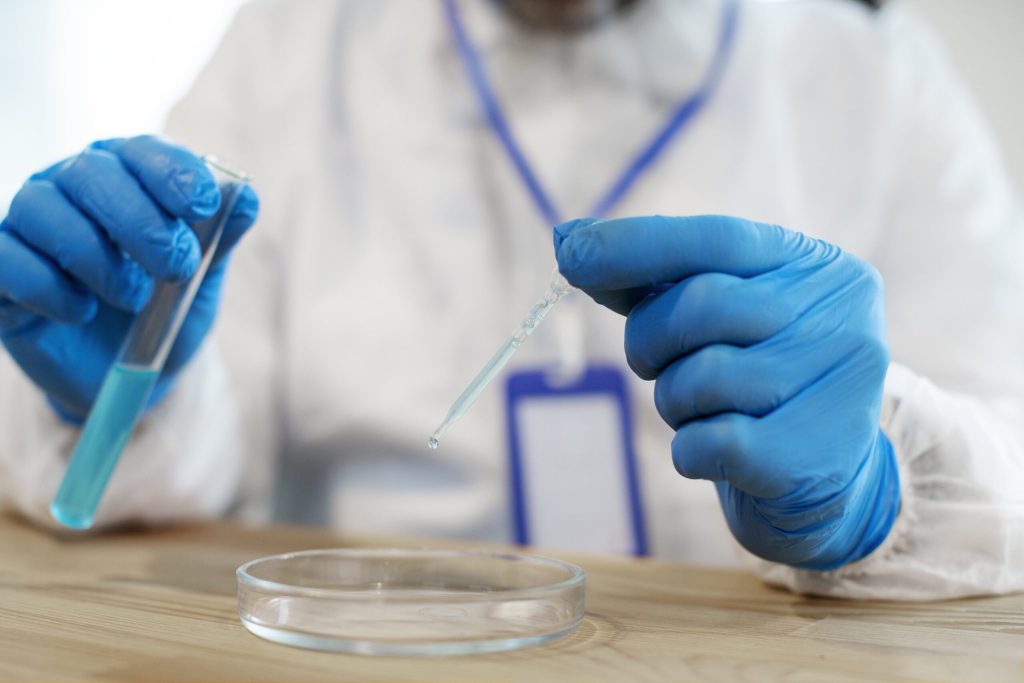
Water is the foundation of life, yet it is also one of the easiest vectors for invisible hazards. Every day, millions of people turn on their taps assuming the stream flowing into their glass is safe. In reality, unless it has been recently evaluated by a professional Legionella Testing Services provider, there is simply no way to guarantee its purity.
While municipal treatment plants work tirelessly to meet strict regulatory benchmarks, the journey water takes from the treatment facility to your kitchen sink is long and fraught with potential points of contamination. For private well owners, the risk is even higher, as the burden of safety falls entirely on the homeowner. Understanding why routine testing is essential is the first step toward securing the long-term health of your family, your business, and your community.
The Illusion of Clarity: Why Sight and Smell Aren’t Enough
One of the most dangerous misconceptions about drinking water is that if it looks clear, smells fresh, and tastes fine, it must be safe. Human senses are remarkably adept at detecting certain issues, such as the sulfurous “rotten egg” smell of hydrogen sulfide or the metallic tang of high iron content. However, the most insidious waterborne threats are entirely undetectable by human senses.
Invisible, Odorless, and Tasteless Threats
Consider lead, arsenic, and nitrates. Lead leaches from aging underground infrastructure and residential plumbing, causing severe neurological damage, particularly in developing children. Yet, lead-contaminated water looks crystal clear. Arsenic, a naturally occurring heavy metal found in groundwater aquifers across various geographic regions, is entirely tasteless. Nitrates from agricultural runoff can seep into wells, posing immediate risks to infants, without altering the water’s appearance in the slightest.
Microscopic pathogens, such as E. coli, Giardia, and Cryptosporidium, can exist in high enough concentrations to cause severe gastrointestinal illness while remaining completely invisible to the naked eye. Relying on a sensory inspection of your tap water is akin to judging a book by its cover when the text inside is written in a language you cannot read. Regular analysis is the only tool capable of pulling back the curtain on these hidden dangers.
The Journey of Contamination: From Source to Tap
To understand why testing is so critical, it helps to look at the vulnerabilities built into our water delivery systems. Even if public utilities successfully treat water to meet the rigorous testing standards established by environmental agencies, that water must travel through miles of distribution pipes before reaching you.
[Water Source] ➔ [Treatment Facility] ➔ [Main Distribution Lines] ➔ [Service Lines] ➔ [Property Plumbing] ➔ [Your Tap]
                                                    ▲                      ▲                 ▲
                                            (Main Breaks/Biofilms)    (Lead Pipes)     (Cross-Connections)
During this journey, several breakdown points can occur:
- Water Main Breaks: Fractures in aging municipal grids can introduce localized soil and bacteria into the clean water stream.
- Biofilm Accumulation: Over time, harmless-looking layers of bacteria can coat the interiors of water mains, occasionally sloughing off into the flow.
- Private Service Lines: Many older homes are still connected to city mains via lead service lines, causing pure water to become contaminated mere feet from the property line.
The Vulnerability of Private Wells
For properties reliant on private wells, the risks compound significantly. Municipalities do not monitor or treat private well water. Groundwater is highly dynamic; heavy rainfall, spring snowmelt, nearby agricultural activities, and industrial operations can rapidly shift the chemical and biological composition of an aquifer. A well that tested clean five years ago could easily be compromised today by a cracked well cap, localized flooding, or failing septic systems nearby.
Common Contaminants and Their Health Impacts
When a sample is processed, it undergoes a comprehensive screening to identify specific substances that pose acute or chronic health risks. The spectrum of potential hazards is broad, but they generally fall into three primary categories. A complete overview of these specific hazards can be found by exploring the detailed breakdown of contaminants analyzed during standard evaluations.
1. Heavy Metals
Heavy metals accumulate in the body over time, meaning even low-level exposure can lead to significant chronic health problems down the road.
- Lead: As noted by the Environmental Protection Agency (EPA), there is no known safe level of lead exposure for children. It causes permanent damage to the central nervous system, learning disabilities, and impaired growth.
- Arsenic: Chronic ingestion of low levels of arsenic is linked to increased risks of skin, bladder, and lung cancers, as well as cardiovascular disease.
- Copper: While a necessary nutrient in tiny amounts, elevated copper from corroding pipes causes gastrointestinal distress and, in severe cases, liver or kidney damage.
2. Biological Pathogens
Biological contaminants cause acute, immediate sickness. Unlike heavy metals, which may take decades to show health impacts, a single glass of water contaminated with harmful bacteria can incapacitate a household within days.
- Coliform and E. coli: Total coliform bacteria serve as an indicator system. If coliforms are present, it signifies that the water system is vulnerable to surface contamination. The presence of E. coli specifically confirms fecal contamination, requiring immediate boiling or cessation of use.
- Legionella: This bacterium can thrive in complex building water systems, hot tubs, and cooling towers, causing a severe form of pneumonia known as Legionnaires’ disease.
3. Chemical and Agricultural Runoff
Modern lifestyles, industrial production, and commercial farming have introduced an array of synthetic compounds into our water cycles.
- Nitrates and Nitrites: Primarily originating from fertilizers and septic systems, these compounds interfere with the blood’s ability to carry oxygen. In infants, this can cause “blue baby syndrome,” a life-threatening medical emergency.
- PFAS / PFOS: Often referred to as “forever chemicals” due to their inability to break down naturally in the environment, these compounds are found in firefighting foams and water-resistant consumer goods. Research compiled by the World Health Organization (WHO) links prolonged PFAS exposure to immune system suppression, thyroid disruption, and increased cancer risks.
The Financial Benefit of Proactive Assessment
While health is undeniably the most crucial reason to prioritize water quality, there is also a compelling financial argument to be made. Neglecting your water quality can result in catastrophic damage to your property’s infrastructure, plumbing, and major appliances.
Corrosive Damage to Plumbing
Water that is highly acidic or possesses a poor chemical balance can be highly corrosive. Corrosive water slowly eats away at copper and lead pipes, eventually resulting in pinhole leaks inside walls that cause mold growth and expensive structural repairs.
Scale Build-Up and Efficiency Losses
Conversely, “hard water”—water containing high levels of dissolved calcium and magnesium—creates a entirely different set of financial headaches. Hard water leaves behind rock-hard mineral deposits known as scale.
Scale Accumulation inside Pipes/Heating Elements
[=========== SCALE ===========]  ➔ Restricts water flow
[~~~~~~~ HEATING ELEMENT ~~~~~]  ➔ Traps heat, causing premature appliance burn-out
As scale builds up inside water heaters, dishwashers, and washing machines, it forces these appliances to work harder to heat the water. According to plumbing infrastructure studies, even a 1/8-inch layer of scale build-up inside a water heater can reduce its energy efficiency by up to 20%, drastically inflating utility bills and cutting the operational lifespan of the appliance in half.
By investing in a professional assessment via a certified water testing laboratory, you gain the exact data needed to install targeted treatment systems, such as water softeners or acid neutralizers, saving thousands of dollars in premature appliance replacements and emergency plumbing repairs.
When to Test Your Water: Trigger Events
Maintaining safe drinking water is not a one-time event; it requires ongoing vigilance. While annual testing is recommended for all private water systems, certain circumstances demand immediate validation:
| Trigger Event | Potential Risk Introduced | Recommended Test Focus |
|---|---|---|
| Flooding or Heavy Runoff | Surface water intrusion into wellheads | Bacteria (Coliform/E. coli), Nitrates |
| New Plumbing Installation | Leaching from solder, brass fittings, or new pipes | Lead, Copper, pH balance |
| Changes in Taste, Odor, Appearance | Structural breakdown or sudden aquifer shifts | Iron, Manganese, Total Dissolved Solids (TDS) |
| Proximity to Industrial/Farm Activity | Chemical leaching or fertilizer penetration | Pesticides, Nitrates, Heavy Metals |
| Pregnancy or Newborn in Home | Vulnerability to developmental toxins | Lead, Nitrates, Arsenic |
If you are unsure whether your property falls into a high-risk zone or matches these specific triggers, consulting an expert team at a dedicated regional hub can clear up any ambiguity. Property owners can find specialized guidance by reaching out directly to the nearest locations list to connect with local environmental analysts who understand the unique geological challenges of the area.
Protecting What Matters Most
Ultimately, ensuring your drinking water is safe is about peace of mind. Water is something we consume multiple times a day, use to clean our food, and give to our children and pets. It shouldn’t be a source of anxiety or gambling.
Relying on generic, over-the-counter DIY test strips often yields inaccurate or incomplete data, as these consumer kits lack the calibration and precision required to detect low, chronic thresholds of heavy metals or trace chemical compounds. True safety comes from rigorous, scientific verification conducted in a controlled environment by trained chemists.
Taking control of your water security is a straightforward process. By understanding your risks, identifying your environmental variables, and partnering with a certified testing facility, you can confidently turn on your tap knowing that the water keeping your family hydrated is truly pure, clean, and safe.